
The UK has no national aire network. Nothing obliges a British council to set aside a corner of a car park for motorhomes the way a French commune does, so instead of a system you get a short list: a few councils running their own overnight sites, each with its own price and hours, plus a certificate scheme that lets a private landowner take up to five vans. Plan around the individual sites, not around a network, because there isn’t one.
The council sites, and what they charge
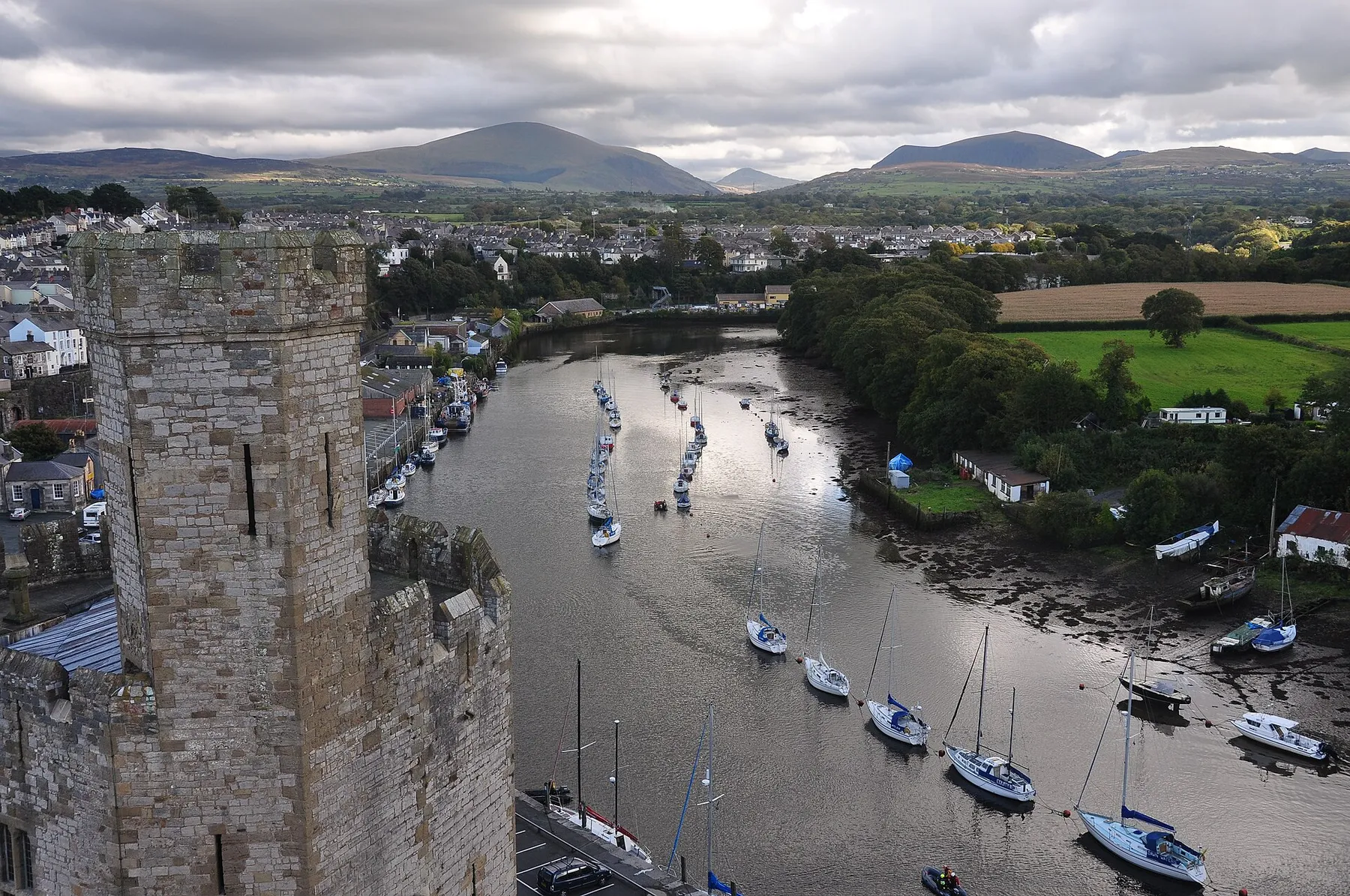
Cyngor Gwynedd, in north Wales, runs the closest thing to a French aire. It calls them Arosfan and has four: Y Maes in Cricieth, Y Glyn in Llanberis, Cei’r Gogledd in Pwllheli and Doc Fictoria in Caernarfon. The council charges 16.50 pounds a night, covering 4pm to 10am, with a maximum of two consecutive nights and no return within seven days. Bays go first come, first served, and booking ahead is not permitted. Only self-contained motorhomes with an on-board toilet and water qualify, which the council spells out as no external containers. Checked August 5, 2026.
The Highland Council designates 12 overnight car parks, among them Torvean in Inverness, Nairn Harbour, Dunnet Head and Reiss Beach in Caithness, Durness, Golspie, Ullapool and Gairloch harbour. Overnight parking runs 10pm to 8am, you cannot return to the same car park within 72 hours, all activities must be contained within the vehicle, and wastewater goes to official sites only. The council’s Highland Campervan and Motorhome Scheme is voluntary and costs 40 pounds for 7 days with no discounts or concessionary rates. It covers overnight parking at the designated car parks and free daily access to showers and changing facilities at council venues for two adults and unlimited children. Checked August 5, 2026.
Moray Council shows the other end of the scale. Its pilot at Station Road car park in Burghead takes two self-contained vehicles, 6pm to 10am, one night maximum, from 1 April to 30 November 2026, with 7 pounds a night requested. No chairs or other outdoor equipment, no generators, and no waste or water facilities on site. Checked August 5, 2026.
The gap between a British aire and a French one is services
A French aire de services usually comes with a borne: fresh water, a drain for grey water and the toilet cassette, often on a coin or a token. That is the part Britain mostly has not built. CAMpRA, the group that certifies aires on private land here, says electric hook-ups are not normally available on a UK aire, and that a provider would ideally offer drinking water and a place to empty toilet waste. Ideally is doing a lot of work in that sentence. Moray states flatly that Burghead has neither.
So plan services separately from sleeping. Arrive with a full fresh tank and an empty cassette, and treat any water or dump point you do find as a bonus rather than the reason you stopped. Our notes on service points apply on both sides of the Channel, but the margin for error is thinner here.
Private land, five vans at a time
CAMpRA holds exemption certification for England, Wales and Scotland, which it says lets it issue certificates to landowners for up to five motorhomes overnight without formal planning approval. Its terms are narrow: self-contained vehicles only, a couple of nights, no awnings, and no toilets or showers unless the business already has them. Argyll and Bute Council publishes guidance for landowners and community groups on the same five-vehicle basis, and notes that because motorhomes are self-contained there is no expectation of on-site toilets, showers or hook-ups. Checked August 5, 2026.
That five-van ceiling is why a British aire is usually a pub car park, a farm yard or the back of a village hall rather than a municipal square with 40 bays.
What will not work
The Scottish right of responsible access is not a route to a free night in a van. The Scottish Outdoor Access Code covers lightweight camping in a tent, in small numbers, for no more than two or three nights in one place, and on parking it says that access rights don’t include motor vehicles. The full rules set out where local byelaws tighten that further. England is narrower still: the one place you can camp on open land without asking is Dartmoor, and that is backpack camping only, with vehicles excluded.
Self-containment is the thread running through every scheme above. Keep the chairs in the locker, keep the awning wound in, and keep everything else inside the vehicle. And where a site’s rules and a sign at the entrance disagree, the sign and the council’s current notice win, over this page and any other.
Sources
- Motorhomes / Arosfan, Cyngor Gwynedd
- Car park locations and rules, The Highland Council
- How to apply, Highland Campervan and Motorhome Scheme
- Campervan and Motorhome Overnight parking pilot, Burghead, Moray Council
- Motorcaravan Overnight Parking (Aires), Argyll and Bute Council
- CAMpRA Aires, Campaign for Real Aires
- Camping, Scottish Outdoor Access Code
When a source is not in English, follow the link for the official wording.